Learn Spanish With Marc Anthony with these 11 Song Recommendations (Full Translations Included!)
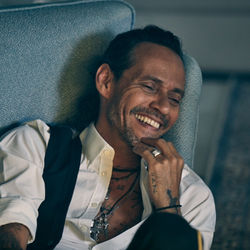
Marc Anthony (born Marco Antonio Muñiz on September 16, 1968, in New York City) is an American singer and actor of Puerto Rican descent, celebrated as the top-selling salsa artist of all time. Known for his passionate Latin salsa hits and heartfelt ballads, he has won four Grammy Awards, eight Latin Grammy Awards, and holds Guinness World Records for best-selling tropical/salsa artist and most number-one albums on the Billboard Tropical Albums chart.
Starting his career in freestyle and house music, Marc Anthony shifted to salsa in the early 1990s with his debut album Otra Nota, inspired by legends like Tito Puente and Héctor Lavoe. Over the years, he has blended traditional salsa with urban sounds, earning international acclaim and multiple chart-topping hits like Vivir Mi Vida. Beyond music, Anthony has showcased his talents in films such as El Cantante and Man on Fire, making him a versatile icon in Latin entertainment.
Marc Anthony opens this salsa track by reflecting on his roots in New York and Puerto Rico, defining his legacy not through grand achievements, but through everyday roles: father, son, brother, and friend. From there, the whole track turns into a pure declaration of joy. Instead of letting hardship take over, he decides: "Voy a reír, voy a bailar / Vivir mi vida" ("I'm going to laugh, I'm going to dance / Live my life").
He treats tough times like natural weather, singing that "a veces llega la lluvia / Para limpiar las heridas" ("sometimes rain arrives / to clean wounds"). When he belts out "Siempre pa'lante, no mires para atrás" ("Always forward, don't look back"), he uses pa'lante—a classic everyday contraction of para adelante that means keeping your momentum going no matter what hits you. Because in the end, as he reminds us, "la vida es una" ("you only get one life").
Ever had a relationship that cost you way too much, in more ways than one? That's exactly what Marc Anthony is singing about in this salsa track. He's not subtle about it at all. He explains that he fell in love instantly, saying, "Yo me enamoré de ti / Desde el primero momento" [I fell in love with you / From the first moment]. But the feeling didn't last, because he realized his partner was, as he repeats over and over, "mala, mala, mala y cara" [bad, bad, bad and expensive].
He really spells out the damage she did. She left him with "La cuenta de banco y mi corazón vacío" [The bank account and my heart empty]. It's a classic tale of being used for money and affection, and he's completely over it. The song is his final realization that "no valió la pena estar contigo" [it wasn't worth it to be with you]. It's a simple, direct, and very danceable way to get over a bad breakup.
This song is the ultimate message to an ex who made a big mistake. The singer has heard through the grapevine that his former love isn't doing so well since she left him for another guy. He gets straight to the point, saying he knows she regrets it and that she chose security over love: "cambiaste mi amor por interés" (you traded my love for self-interest). Because of that, he says, everything went wrong for her.
He's not subtle about his feelings. The chorus is a direct wish for her to feel the same pain he did: "Ojalá te duela" (I hope it hurts you). He wants her to cry just like he cried, so she can finally understand what it's like to have your heart broken. Even though he says he doesn't hate her or hold a grudge, he ends with an incredibly blunt statement: "Y que Dios te perdone / Porque yo no te perdono" (And may God forgive you / Because I don't forgive you). It's a powerful and dramatic way to say their story is completely over.
This song is a massive love letter to Puerto Rico. Marc Anthony, who is from the US and Puerto Rico, sings about his deep connection to the island, which he calls his "Borinquen hermosa" (beautiful Borinquen, an indigenous name for the island). He lists the things he loves, from "sus hembras trigueñas" (its olive-skinned women) to "el olor de sus rosas" (the smell of its roses), and declares that for these reasons, "Por siempre la llamaré 'Preciosa'" (I will always call her 'Precious').
The song is also a powerful declaration of Puerto Rican identity and resilience. It acknowledges the island's mixed heritage, from "la noble hidalguía de la madre España" (the noble gentry of mother Spain) to "el fiero cantío del indio bravío" (the fierce song of the brave Indian). The lyrics even mention a tyrant, but insist that the island's spirit is unbreakable. For Marc Anthony, this connection is personal and permanent. He sings, "Yo seré puertorriqueño / Por donde quiera que ande" (I will be Puerto Rican / Wherever I go), because it's an "herencia de mis padres" (inheritance from my parents) that he carries in his blood.
This is one of the all-time great 'you messed up' songs. Marc Anthony's ex has suddenly reappeared, wanting to talk and go to dinner because, as he puts it, "Tal parece que yo te hice falta de más / Que no fuiste feliz / Con tu otra mitad" (It seems you really missed me / That you weren't happy / With your other half). She's crying, saying she never forgot him, and acting like she can just pick up where they left off.
But she forgot one tiny detail. When she left, he was "libre para elegir" (free to choose), just like she was. And choose he did! The chorus hits with the big reveal: "Y hubo alguien" (And there was someone). While she was off living her life, someone else stepped in, someone who "se moría por llenarme de detalles / Y palabras amables" (was dying to fill me with details / And kind words). He tells his ex, with some satisfaction, that he gave this new person his body, soul, and mind. The song ends with him repeatedly telling her, "Y ahora no puedes vivir sola sin mí" (And now you can't live alone without me), twisting the knife just a little bit more.
Flor Pálida paints a vivid picture of a withered flower that regains life once it meets a devoted gardener. In the lyrics, Marc Anthony compares this delicate bloom to a person whose heart was tired and colorless until real, patient love arrived. The narrator shelters the flower from cold winters, waters it with cariño, and watches it regain its vibrant hues. The message is clear: consistent affection and care can revive even the most faded spirits, turning lost love into something bright and flourishing once again.
Wrapped in lively salsa rhythms, the song celebrates transformation, commitment, and hope. As the music pulses, we feel the joy of seeing love blossom after hardship and the promise to protect that love so it never wilts again. “Flor Pálida” reminds listeners that with warmth, time, and dedication, any heart can bloom back to life.
Beneath the vibrant horns and congas, Ahora Quién is a salsa plea filled with raw heartbreak. Marc Anthony’s narrator has just lost the love of his life, and every spinning verse is a desperate question: Who will take my place now? He imagines her arms, lips, and perfume being given to someone new while he stands in front of the mirror, feeling ‘estúpido, ilógico.’ The music keeps our feet moving, yet the words paint a picture of a man stuck in time, replaying memories and fearing the moment another voice whispers te amo in her ear.
The repeated chorus turns the dance floor into a confessional. Each ¿Ahora quién? underlines the ache of being replaced and the terror that shared poems, secrets, and slow-motion mornings will belong to someone else. The song’s power lies in that contrast: lively salsa energy wrapped around a universal breakup question that makes us all wonder who will inherit the kisses, the laughter, and the dreams we once called ours.
This song is a massive, confident party track that's all about having a good time. The title itself, "Está Rico" (It's Good/Delicious), is repeated over and over, and it's pretty clear they're talking about everything: the music, the dancing, and especially the person they're with. Will Smith, Marc Anthony, and Bad Bunny kick things off by declaring they are "Haciendo historia" (Making history), and from there, it's a non-stop invitation to dance and enjoy the moment.
The lyrics are super direct and flirty. Bad Bunny doesn't hold back, telling the woman he's interested in, "Si tú tienes un novio mami no lo digas" (If you have a boyfriend, mommy, don't say it) and even making a reference to Fifty Shades of Grey. It's a song about attraction and living in the moment, suggesting that wherever they are, whether it's New York, London, or Puerto Rico, they'll make it "rico" (good/delicious) as long as they're together.
Lo Que Te Di is Marc Anthony’s heartfelt confession about giving everything to someone who did not value it. Over bright salsa rhythms, he looks back at a relationship where he offered genuine, no-strings-attached love—“mi corazón en un pañuelo”—only to receive it back in tatters. The lyrics paint a vivid contrast: his gifts were priceless and sincere, while her return was careless and empty.
Instead of bitterness, Marc Anthony chooses liberation. He recognizes the good moments, admits his temporary happiness, then releases his partner with a graceful wish: “Que seas feliz.” The song becomes an empowering reminder that real love cannot be bought, and that sometimes the bravest act is letting go while proudly keeping the memory of all you gave.
Have you ever felt like a heart-broken detective, piecing together clues about the new person stealing your beloved’s attention? That is exactly the vibe of Y Cómo Es Él, Marc Anthony’s passionate remake of José Luis Perales’s classic. Singing from the perspective of a man who sees change in his partner’s eyes, Marc unleashes a flurry of questions: Who is this guy? Where did he meet you? What does he do in his free time? Behind the interrogation lies raw fear and jealousy—he calls the rival “a thief” who has taken a piece of his life.
Yet the song is not just an inquisition; it is a tender goodbye. The narrator gently reminds her to dress warmly, grab an umbrella, and hide her tears, showing lingering care even while his own heart breaks. This bittersweet mix of love, loss, and reluctant acceptance makes the track a moving lesson in emotional complexity—perfect for learners eager to explore real-life feelings through rich Spanish lyrics sung by the United States–Puerto Rican superstar.
Marc Anthony v písni "Vivir Mi Vida" přemýšlí nad otázkou, kterou mu prý často kladou: "cuál es tu legado?" [Jaký je tvůj odkaz?]. Odpověď hledá ve své rodině, hudbě a kořenech mezi New Yorkem a Portorikem a nakonec ji shrne jednoduše: "Yo simplemente vivo" [Já prostě žiju]. Píseň nepopírá, že bolest k životu patří, jen připomíná, že i ta jednou pomine: "A veces llega la lluvia / Para limpiar las heridas" [Někdy přichází déšť / Aby očistil rány].
Refrén pak tuhle myšlenku opakuje znovu a znovu: "Voy a reír, voy a bailar / Vivir mi vida" [Budu se smát, budu tančit / Žít svůj život]. Nejde o útěk před problémy, ale o vědomé rozhodnutí radovat se, protože život máme jen jeden: "Que la vida es una sola" [Protože život je jen jeden]. Na konci zpěvák publiku volá: "Siempre pa'lante, no mires para atrás" [Vždycky vpřed, neohlížej se zpátky].

